Guides · Do treadmills get slower over time?
Do treadmills get slower over time?
Your basement treadmill has carried five years of easy mornings at 6.7, and lately that same setting feels like work. You start to wonder if the machine has been losing speed a little at a time, the way an old car loses its pep.
No, not quietly. In the manuals we read, wear shows up as strain rather than a slow fade. Some machines draw more current and flag a fault, and some slip under your foot or lose their top speed. At any age, a setting that is simply off usually gives no sign you can feel.
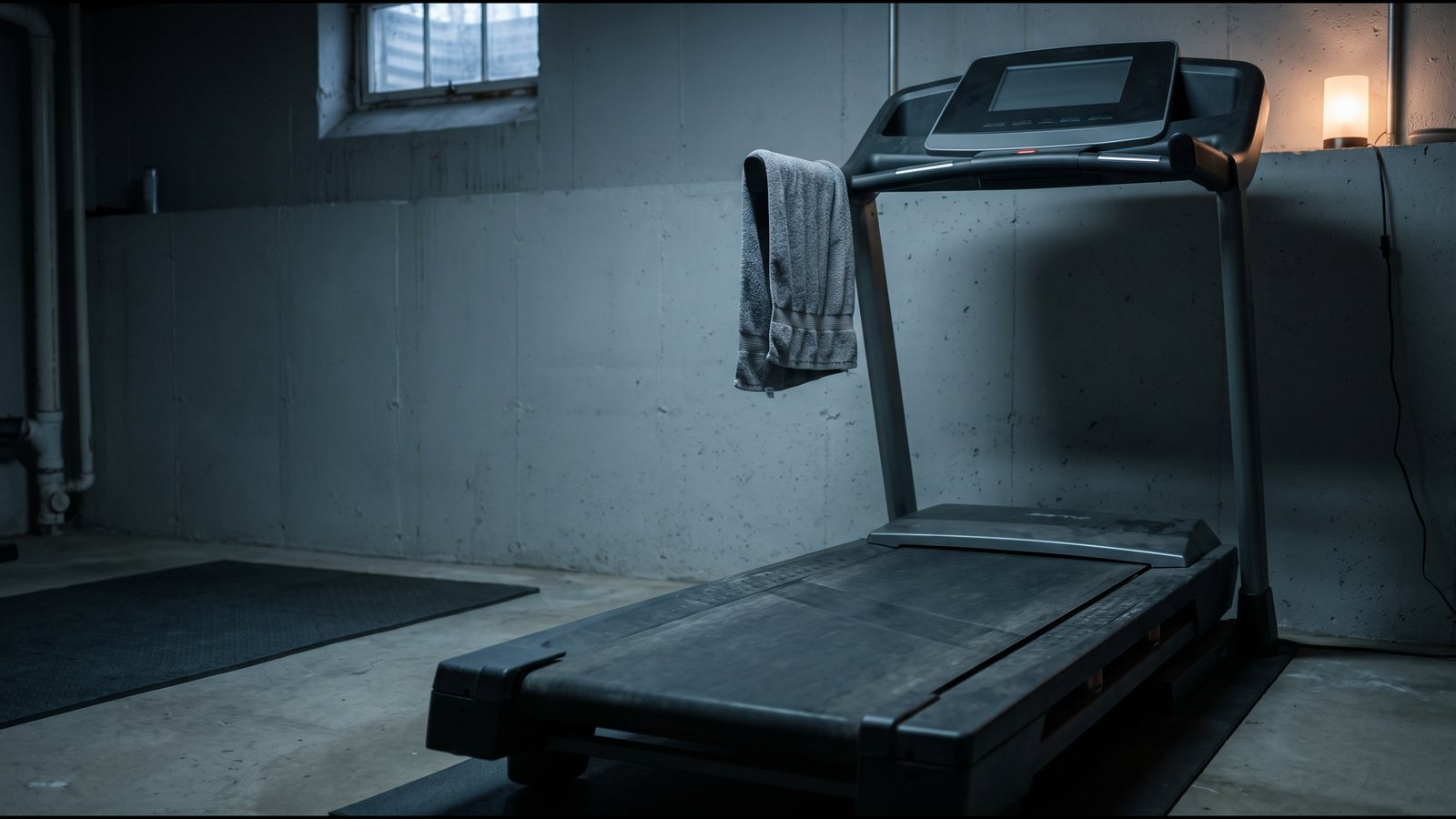
Wear shows up as strain
The motor's job is to keep the belt at the speed you pressed. As the belt and deck wear, they drag harder, and the motor has to work harder against them. That extra work can show up as the motor drawing more current, and on some machines as a fault.
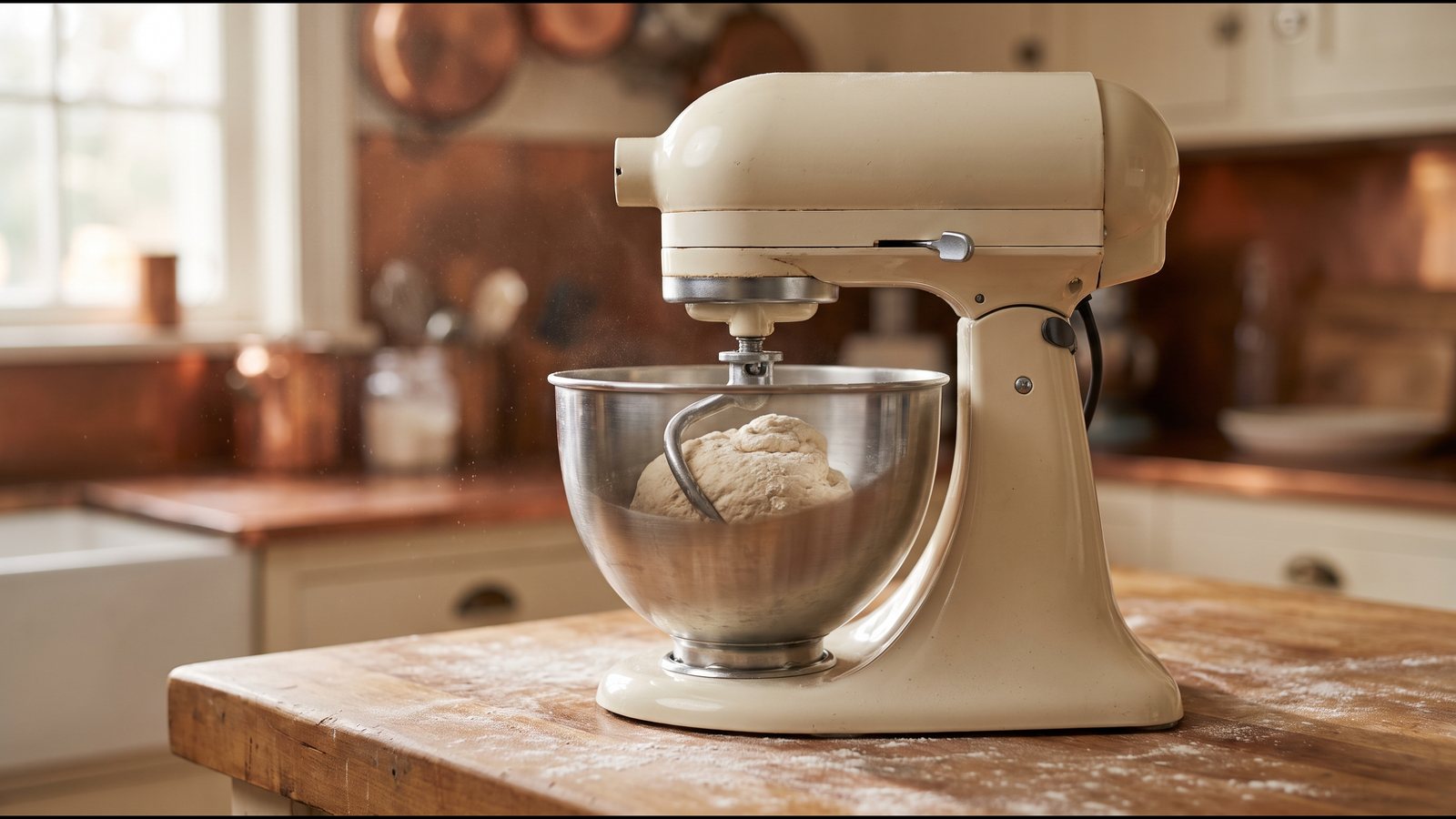
Think of an old stand mixer working through stiff bread dough. It strains and gets loud, and after a while you can smell it running hot. You would hear that mixer from the next room. A worn treadmill strains too, and in the manuals we read, that strain can end in a fault. None of the manuals describes a belt that gives up a little speed each year while everything else seems fine.
The signs wear does leave
Where a maker names belt and deck friction as a cause, a fault saying the motor runs below the speed it was asked for can come up too. Another maker lists a deck worn through or a belt glazed over as one cause of a lowered top speed, and its tables separately name a belt that slips under your foot. What each of those feels like, and why it belongs with your manual or a technician, is covered in the guides on calibrating a treadmill, whether the belt slows when you land on it and a belt that slips.
The error that makes no sound
At any age, a belt that runs a little off at your usual setting usually gives no sign you can feel. As far as we can find in the manuals we read, nothing on the machine checks the belt's own surface against the number on the display. So a belt that has been 2 percent slow since the day it arrived is hard to tell from an honest one, even in year five.
A 6.7 setting on a belt 2 percent slow
A made-up belt on a made-up machine, not a treadmill we measured, and the same error could just as easily sit on the fast side.
| Line | Speed (mph) | Pace per mile | Miles in a year of 15-mile weeks |
|---|---|---|---|
| What the display says | 6.7 | 8:57 | 780 |
| What a belt 2 percent slow runs | 6.57 | 9:08 | about 764 |
| The gap | 0.13 | 11 sec | about 16 |
Your log says 8:57 for five years, and you may have been running 9:08 the whole time. To see how many miles those years have put on the machine, the guide to reading treadmill distance shows how to tell the machine's lifetime total apart from today's run.
Start the record the machine never kept
The only way to answer "has it slowed?" is a number from then and a number from now, and nobody took the first one. A painter photographs a room before the first coat for the same reason. Treadwell reads the belt's speed from an iPhone Pro, using its camera and LiDAR sensor. A reading at your usual setting today is your before photo. Write it in your log, and a second reading months from now gives you something to compare it with.
Take the before photo of your belt
Measure the belt at the setting you run most and keep that number. It works on an iPhone Pro, which has the LiDAR sensor the reading needs.
Quick answers
Do treadmills get slower over time? No, not quietly. In the manuals we read, wear shows up as strain rather than a slow fade. Some machines draw more current and flag a fault, and some slip under your foot or lose their top speed. At any age, a setting that is simply off usually gives no sign you can feel.
Can a treadmill motor get weaker with age? In the manuals we read, a worn or high-friction belt and deck can make the motor draw more current. On some machines that brings up a fault, and one maker warns that in time it can end in motor failure. Only a technician can say whether a motor is worn. A run's feel will not tell you.
Why does my old treadmill feel harder at the same speed? The belt may have changed, and the signs to look for are a fault, a slip or a lost top speed. You may have changed, which the guide on whether treadmill running is easier looks at. The number may also never have been right, which would explain a log that disagrees with your legs, not a change over time. If the change came on suddenly, start with why a treadmill can feel faster than usual.
Sources.
- Motor speed checked against its target: True Fitness TR950 Owner's Manual, Rev 021021 (2021), fault table, pages 42 to 44. Fault SP01, "Belt Under Speed", reads "Tread motor rpm is below target rpm", and its listed causes include "High Belt Deck Friction". Two of the motor over-current faults also list high belt and deck friction. The check compares the motor's rpm with its target, not the belt's surface.
- Wear and current draw: Cybex CX-445T Owner's Manual LT-19800-4 warns that, as a belt and deck wear over time, they can push the motor's current draw up and can finish in motor failure. The same manual schedules the running belt, deck, deck bushings and motor brushes for replacement every 12,000 miles, one maker's interval.
- Slip and lost top speed: the Life Fitness 95T manuals, with the technical manual for its 97Ti family, list a laminate worn through on the deck, or a belt whose underside has glazed, as one of several probable causes of a lowered top speed; their tables also name a belt that slips as the foot lands. They also name a fault for failing to reach the target speed. That is this maker's list, not one every maker shares.
- My own notes: none of the manuals above says the belt or the displayed speed drifts slower with age, and I found no manual that says worn motor brushes lower the belt's speed. The 6.7 setting, the belt 2 percent slow and the 15-mile weeks are an illustration, not a machine I measured, and I have never measured one treadmill years apart. Paces and mileage are my arithmetic.